
In this series of lectures five historians of medieval Islamicate East guide you through aspects of the culture and life of medieval Afghanistan between the 8th and 13th century. Each lecture explores a specific angle of the culture of Afghanistan and toghether they provide an engaging overview of key concepts necessary to start understanding how medieval society in Afghanistan and its communities worked and interacted with one another.


The lectures were livestreamed over five weeks between September and October 2022. With an audience of over 500 participants, they provided an invaluable opportunity for discussion and to share views and ongoing research.


The series was organised by the Invisible East programme, with support from the British Insititute of Persian Studies. The original advertisment of the series can be seen here.

MOOC Lectures
mooc trailer small

Introduction to the Series

Arezou Azad introduces the Invisible East programme and the lectures of the series Afghanistan: From Buddhism to Islam.
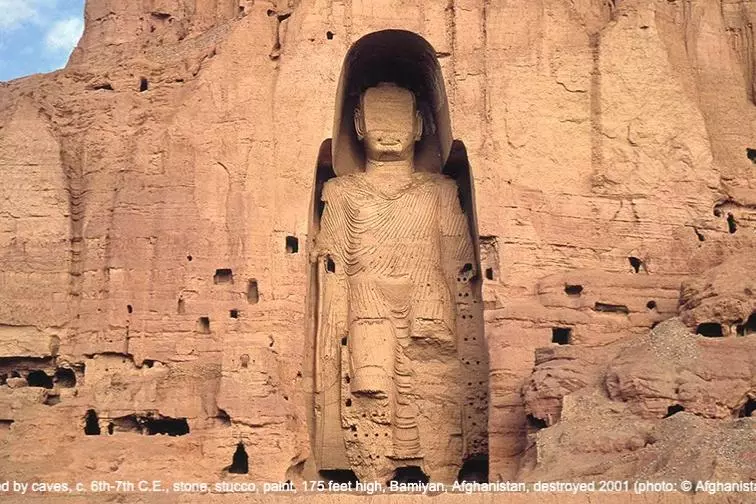
bamiyan buddhas

The Buddhas of Bamiyan

Llewelyn Morgan discusses the Buddhas of Bamiyan and their wider context in the Bamiyan valley, explaining what we know of their origin and original appearance, partly from contemporary eyewitnesses.
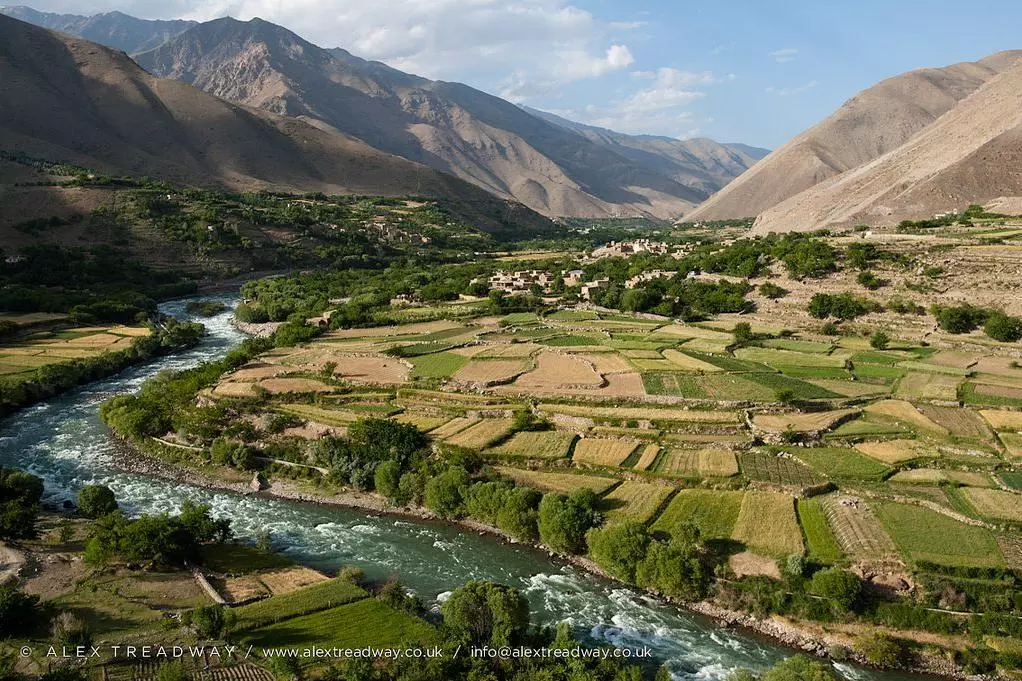
panjshir valley

Rural Life in Medieval Bamiyan

In this webinar, Arezou Azad explores the realities of rural life in medieval Afghanistan - how land was managed, who owned it, and how the government taxed it. We will consider whether peasants were as voiceless, and landlords as exploitative, as one might imagine. We draw our conclusions based on cutting-edge research that is being carried out by Oxford's Invisible East programme on new documents that have emerged from Afghanistan during the past decade, most of which remain unpublished and are currently being prepared for publication.

Connecting Worlds: The Shansabanis of Afghanistan
Despite forming a transregional empire, the origins of the Shansabanis (c. 1145-1215 CE) at the peripheries of both the Indic and Iranian cultural worlds, and their demise prior to the Mongol campaigns (1220s CE) have relegated them to minor historical status. Relying primarily on their impressive architectural patronage, Alka Patel will argue the true significance of the Shansabanis as connectors of greater “Iran” and “India” for centuries to come.
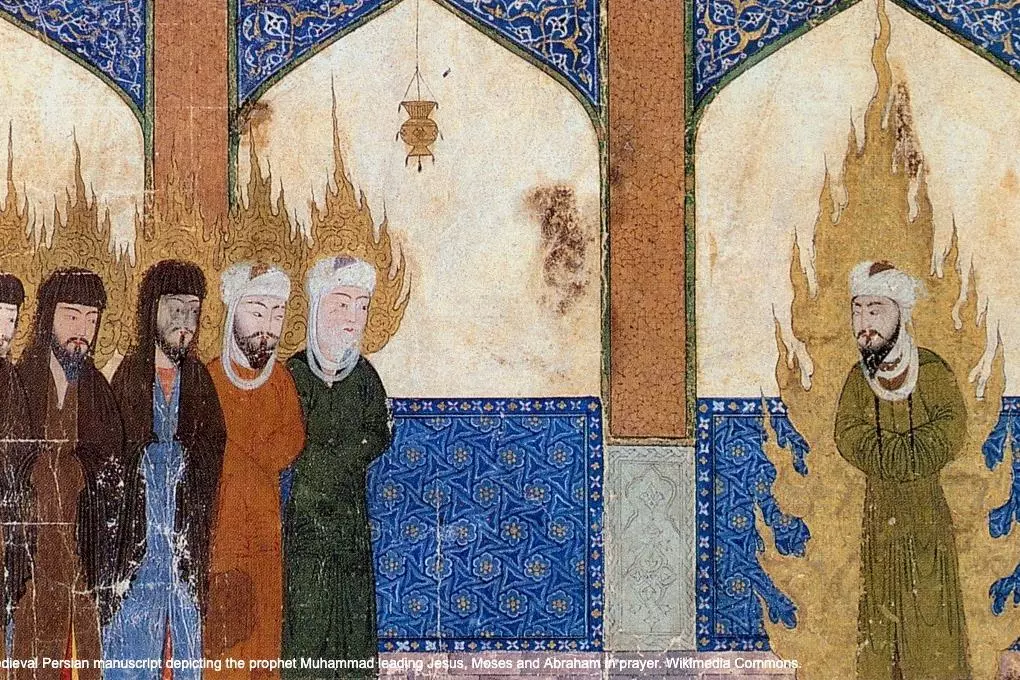
medieval persian manuscript depicting muhammad leading abraham moses and jesus in prayer with caption

Islamisation, a closer look

This session led by Majid Montazer-Mahdi looks at the process of Islamisation and what it would entail. On the one hand, this enables us to go beyond the modern orthodoxy-oriented approach to religion versus the community-oriented approach, which has a more fluid conception of religion. On the other hand, it examines the long and complicated process of introducing Islam to various levels of social dynamics instead of treating Islamisation as a synonym for military conquest.
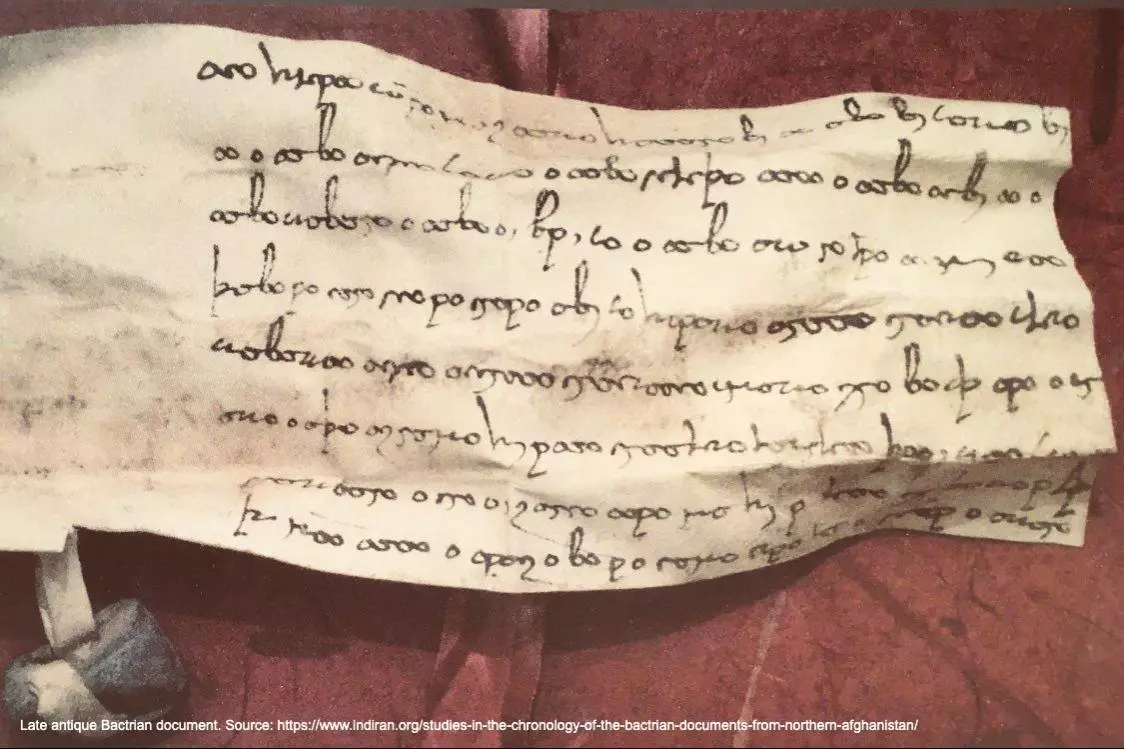
late antique bactrian document

A Day in Late Antique Bactria (In Persian)

This presentation of Reza Huseini addresses the idea and practice of justice in late antique Bactria, a subject that has not been studied mostly because of the scarcity of primary sources. However, a number of Bactrian administrative, economic, and legal documents, dating to the early 4th to the late 8th century and found in different parts of modern-day northern Afghanistan, provide first-hand information on Bactrians' understanding of justice. Putting these documents together, we can see a fixed legal system that had certain procedure, for presenting petitions and making judgment.