
Earliest manuscript of Persian verse from Afghanistan
Ms.Heb.8333.191, an Arabic historical fragment on 10th century events
This negligent lion owner, the Samanid amir Aḥmad Exotic (or Aḥmad ibn Ismāʿīl, as he is also known), features prominently in fragments from an as-yet unknown historical work we are currently studying on.
The Samanid dynasty ruled a large swath of the Islamicate East, including parts of what are now Iran, Uzbekistan, Tajikistan, and Afghanistan, and for much of the 10th century CE.
After Aḥmad's murder, a succession struggle ensued, between Aḥmad's young son Naṣr ibn Aḥmad, and Naṣr's great-uncle Isḥāq ibn Aḥmad. Abū ʿAbdallāh al-Jayhānī was the main advocate for Naṣr in this conflict.
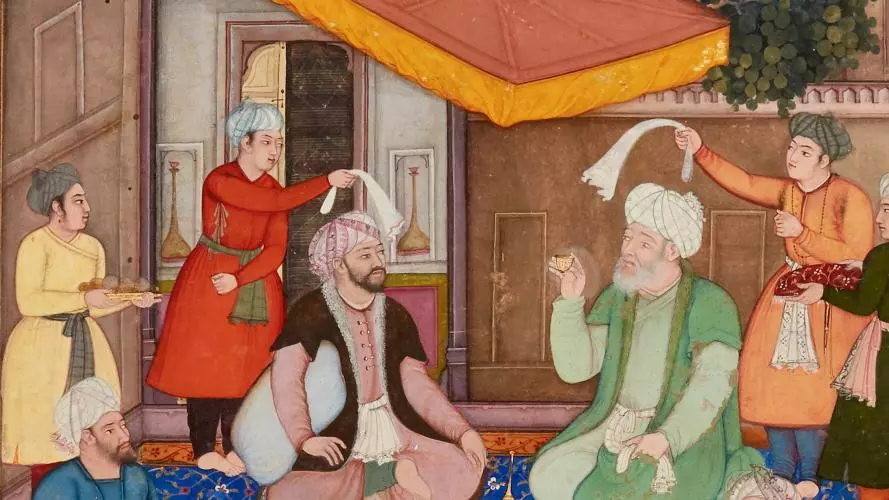
I find him pretty relatable to someone from our time; apparently he was something of a neat freak. In one passage we are zeroing in on, al-Jayhānī is exhorting the aristocracy of the city of Bukhara to support Naṣr ibn Aḥmad against his grand-uncle Isḥāq ibn Aḥmad.
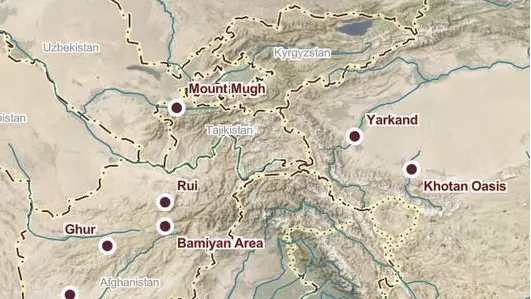
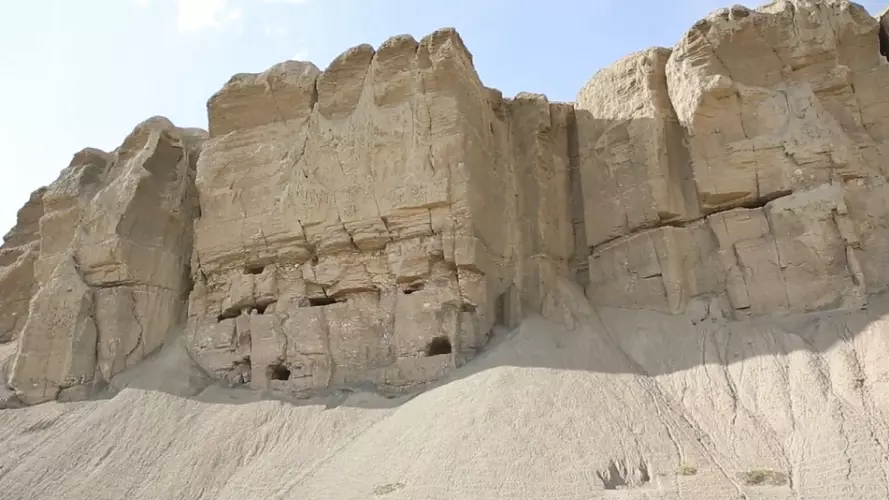
These fragments from an unknown historical work are housed at the National Library of Israel (catalogue nos: Heb. 8333.190=4, Heb. 8333.191=4) and came from Afghanistan, apparently the Bamiyan region.As for the details about Aḥmad ibn Ismāʿīl's death and al-Jayhānī's fastidiousness, they are from Luke Treadwell's wonderful publications on Ibn Ẓāfir's accounts of the Samanids, written in the twelfth or thirteenth century CE.